
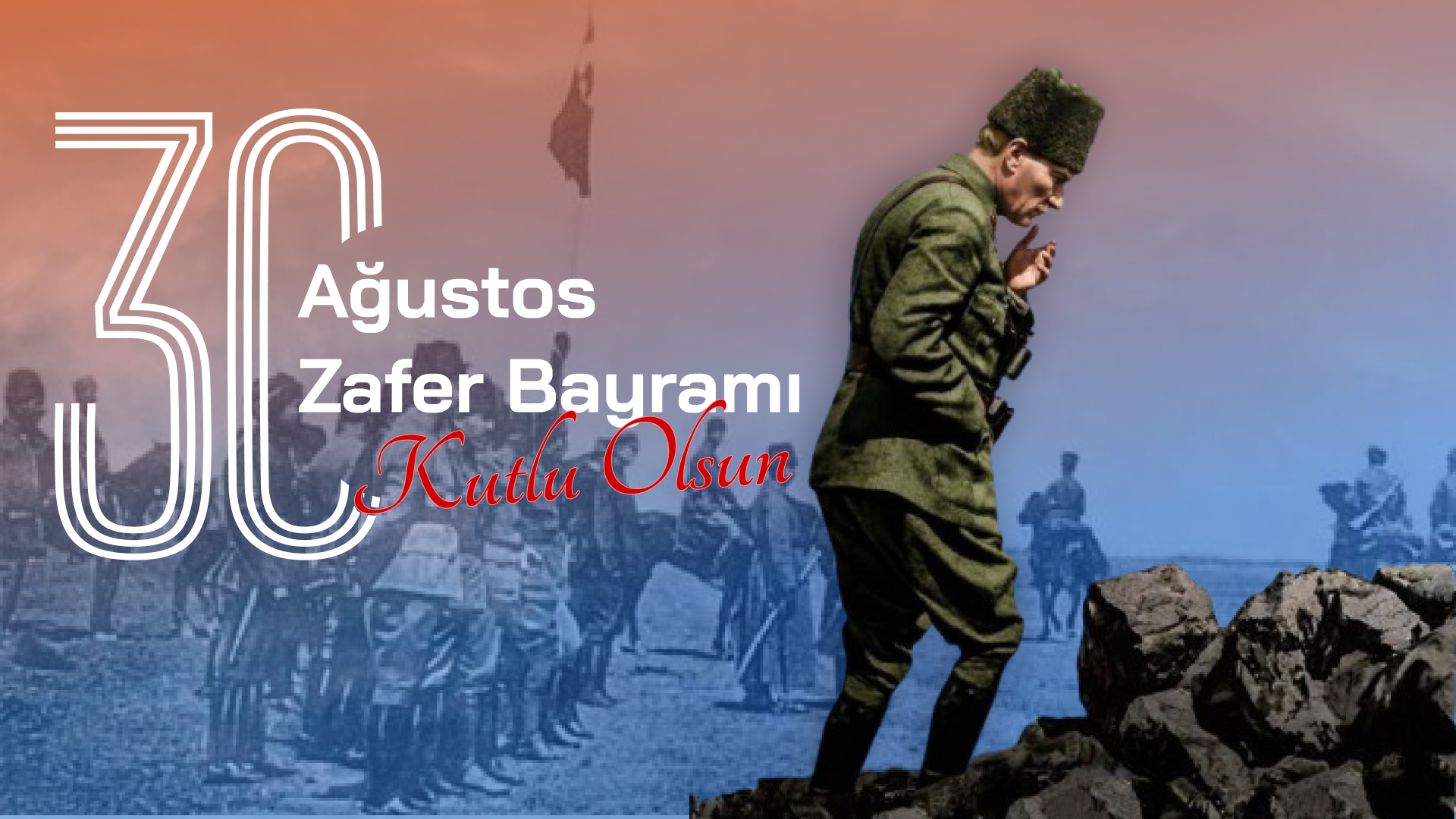
30 Ağustos Zafer Bayramı: Büyük Taarruz’dan Büyük Zafere
26 Ağustos 1922’de Kocatepe’de başlayan Büyük Taarruz, Afyonkarahisar, Altıntaş ve Dumlupınar üzerinden 30 Ağustos’taki kesin zafere ulaştı. 30 Ağustos Zafer Bayramı’nın tarihini, anlamını ve Büyük Zafer’in 104. yıl dönümünü anlatıyoruz.
30 Ağustos Zafer Bayramı: Büyük Taarruz’dan Büyük Zafere
26 Ağustos 1922 sabahı Kocatepe’de başlayan Büyük Taarruz, yalnızca birkaç gün içerisinde Türk tarihinin en önemli dönüm noktalarından birine dönüştü.
Afyonkarahisar’dan Altıntaş’a, Zafertepe Çalköy’den Dumlupınar’a uzanan mücadele; 30 Ağustos’ta kazanılan Başkomutanlık Meydan Muharebesi ile kesin zafere ulaştı.
Bugün, Büyük Zafer’in 104. yıl dönümünde 30 Ağustos’un tarihini, ardındaki mücadeleyi ve neden hâlâ bağımsızlığın en güçlü simgelerinden biri olduğunu hatırlıyoruz.
30 Ağustos neden bu kadar önemli?
30 Ağustos, Türk Kurtuluş Savaşı’nın askerî açıdan belirleyici dönüm noktalarından biridir.
Yıllar süren işgal, mücadele ve büyük fedakârlıkların ardından Türk ordusu, Başkomutan Gazi Mustafa Kemal Paşa’nın sevk ve idaresinde 26 Ağustos 1922’de Büyük Taarruz’u başlattı.
Harekâtın amacı yalnızca belirli bir bölgeyi geri almak değil, Anadolu’daki işgal kuvvetlerine karşı kesin sonucu sağlayacak büyük bir askerî harekât gerçekleştirmekti.
Dört gün sonra, 30 Ağustos’ta Dumlupınar bölgesinde kazanılan Başkomutanlık Meydan Muharebesi bu hedefin en kritik aşamasını oluşturdu.
Bu nedenle 30 Ağustos yalnızca bir muharebenin kazanıldığı tarih değil; milletin kendi geleceğini belirleme iradesinin ve bağımsızlık kararlılığının simgesi hâline gelen bir gündür.
Büyük Taarruz’a giden yol
1919’da başlayan Millî Mücadele, farklı cephelerde verilen askerî ve siyasi mücadelelerle devam etti.
Sakarya Meydan Muharebesi’nin ardından Türk ordusu için yeni bir dönem başladı. Artık amaç yalnızca savunmak değil, Anadolu’daki işgali sona erdirecek kesin harekât için hazırlanmaktı.
Bu hazırlık uzun süre büyük bir gizlilik içerisinde yürütüldü. Ordunun insan gücü, mühimmatı, ulaştırması ve cephedeki konumlanması büyük taarruz için hazırlandı.
Başkomutan Gazi Mustafa Kemal Paşa, Genelkurmay Başkanı Fevzi Paşa ve Batı Cephesi Komutanı İsmet Paşa ile birlikte taarruzun hazırlıklarını yakından takip etti.
Ve tarih 26 Ağustos 1922’yi gösterdiğinde beklenen harekât başladı.
26 Ağustos 1922: Kocatepe’de başlayan Büyük Taarruz
26 Ağustos sabahı Başkomutan Gazi Mustafa Kemal Paşa, Genelkurmay Başkanı Fevzi Paşa ve Batı Cephesi Komutanı İsmet Paşa Kocatepe’deydi.
Türk topçusunun ateşiyle başlayan harekâtın ardından piyade birlikleri düşman savunma hatlarına ilerledi.
Tınaztepe, Belentepe ve çevresindeki kritik mevzilerde yoğun mücadeleler yaşandı. Türk ordusu taarruzun daha ilk gününden itibaren önemli ilerleme sağladı.
Kocatepe artık yalnızca bir coğrafi nokta değildi. Millî Mücadele’nin son büyük taarruzunun yönetildiği, Türkiye’nin bağımsızlığa giden yolunda simgeleşen yerlerden biri hâline gelmişti.
27 Ağustos: Afyonkarahisar
Büyük Taarruz 27 Ağustos’ta bütün cephede devam etti. Türk birliklerinin ilerleyişi sonucunda Afyonkarahisar kurtarıldı.
Afyonkarahisar’ın alınması, yalnızca stratejik bir başarı değildi. Düşman savunma sisteminin çözülmesi ve Türk ordusunun takip eden günlerde gerçekleştireceği kuşatma harekâtı için önemli bir aşamaydı.
Başkomutanlık ve Batı Cephesi karargâhlarının da bölgeye taşınmasıyla harekât yeni safhasına geçti.
Altıntaş ve Zafertepe Çalköy
Büyük Zafer’in anlatımında Kocatepe ve Dumlupınar kadar Kütahya’nın Altıntaş ilçesi ve Zafertepe Çalköy de özel bir yere sahiptir.
Başkomutanlık Meydan Muharebesi’nin en kritik bölümlerinden bazıları bugün Altıntaş sınırlarında bulunan Zafertepe Çalköy çevresinde gerçekleşti.
Bölge, savaşın sevk ve idaresinde önemli bir merkez hâline geldi ve 30 Ağustos’taki kesin sonucun şekillendiği topraklardan biri oldu.
Bugün Zafertepe Çalköy ve çevresinde bulunan anıtlar ve şehitlikler, burada verilen mücadelenin hatırasını yaşatmaya devam ediyor.
30 Ağustos 1922: Dumlupınar’da Büyük Zafer
28 ve 29 Ağustos boyunca devam eden harekât sonucunda düşman kuvvetlerinin önemli bölümü kuşatma altına alındı.
30 Ağustos günü gerçekleşen muharebe, Türk ordusunun kesin zaferiyle sonuçlandı.
Tarihe Başkomutanlık Meydan Muharebesi olarak geçen bu mücadele, Büyük Taarruz’un en belirleyici safhası oldu.
Dumlupınar ve Zafertepe Çalköy hattında elde edilen sonuç, Anadolu’daki savaşın askerî dengelerini kesin biçimde değiştirdi.
İşgal kuvvetlerinin ana unsurları büyük ölçüde etkisiz hâle getirildi ve Türk ordusunun batıya doğru ilerleyişinin önü açıldı.
“Ordular, ilk hedefiniz Akdeniz’dir. İleri!”
Büyük Zafer’in ardından mücadele henüz tamamen sona ermiş değildi.
Başkomutan Gazi Mustafa Kemal Paşa, Türk ordusuna batıya doğru takip harekâtını sürdürmesi için tarihî emrini verdi.
“Ordular, ilk hedefiniz Akdeniz’dir. İleri!”
Türk ordusunun ilerleyişi devam etti ve 9 Eylül’de İzmir’e ulaşıldı.
Böylece 26 Ağustos sabahı Kocatepe’de başlayan harekât, Anadolu’daki işgalin sona erdirilmesinde belirleyici olan büyük askerî başarıya dönüştü.
Zaferden Cumhuriyet’e
30 Ağustos’un önemi yalnızca savaş meydanındaki sonuçla sınırlı değildir.
Büyük Taarruz ve Başkomutanlık Meydan Muharebesi’nin ardından oluşan askerî tablo, Millî Mücadele’nin siyasi hedeflerine ulaşmasının önünü açan en önemli gelişmelerden biri oldu.
Bağımsızlık mücadelesinin askerî başarısı, kısa süre sonra gerçekleşecek diplomatik gelişmeler ve yeni Türk devletinin kurulması açısından güçlü bir temel oluşturdu.
Bu nedenle Dumlupınar’daki zafer, Türkiye Cumhuriyeti’ne uzanan tarihsel yolun en önemli dönüm noktalarından biri olarak kabul edilir.
30 Ağustos’un ilk büyük anması
Zaferin ikinci yıl dönümünde, 30 Ağustos 1924’te Dumlupınar’da geniş katılımlı bir tören düzenlendi.
Gazi Mustafa Kemal, burada yaptığı konuşmada 30 Ağustos Muharebesi’nin Türk tarihindeki önemini vurguladı.
Aynı gün Dumlupınar’da Meçhul Asker Anıtı’nın temeli de atıldı.
Böylece savaş alanı yalnızca askerî tarihin bir parçası olarak değil, bağımsızlık mücadelesinin hatırasını yaşatan bir hafıza mekânı olarak da önem kazandı.
30 Ağustos ne zaman Zafer Bayramı oldu?
30 Ağustos’un ulusal bayram niteliği kazanması Cumhuriyet’in ilk yıllarında gerçekleşti.
Türkiye Büyük Millet Meclisi tarafından 1 Nisan 1926’da kabul edilen Zafer Bayramı Kanunu ile 30 Ağustos günü resmî olarak Zafer Bayramı kabul edildi.
O tarihten bu yana 30 Ağustos, Türkiye’nin bağımsızlık mücadelesinin ve Türk ordusunun kazandığı Büyük Zafer’in yıl dönümü olarak kutlanıyor.
30 Ağustos bize neyi hatırlatıyor?
Aradan 104 yıl geçmiş olsa da 30 Ağustos’un taşıdığı anlam yalnızca tarih kitaplarında kalan bir olay değildir.
Büyük Zafer; bağımsızlığın kendiliğinden kazanılmadığını, zor koşullar altında gösterilen kararlılığın, ortak iradenin, fedakârlığın ve mücadelenin sonucu olduğunu hatırlatır.
Kocatepe’de bekleyen komutanlardan cephede mücadele eden askerlere, cephe gerisinde ordunun ihtiyaçlarını karşılayan Anadolu halkından hayatını kaybeden binlerce insana kadar Büyük Taarruz, ortak bir mücadelenin sonucuydu.
Bugün 30 Ağustos’u kutlamak, yalnızca geçmişte kazanılan bir zaferi hatırlamak değil; bağımsızlık, özgürlük ve Cumhuriyet değerlerinin hangi şartlarda kazanıldığını da unutmamak anlamına geliyor.
Kocatepe’den Dumlupınar’a uzanan hafıza
Büyük Taarruz’un geçtiği coğrafya bugün de bu tarihin izlerini taşıyor.
Afyonkarahisar’daki Kocatepe’den başlayarak Kütahya Altıntaş’taki Zafertepe Çalköy’e ve Dumlupınar’a uzanan bölge; anıtları, şehitlikleri ve müzeleriyle Millî Mücadele’nin en önemli tarihî rotalarından birini oluşturuyor.
Bu toprakları ziyaret etmek, 30 Ağustos’u yalnızca bir tarih olarak değil, gerçek bir coğrafyada yaşanmış büyük bir mücadele olarak anlamaya imkân veriyor.
30 Ağustos 2026: Büyük Zafer’in 104. yılı
30 Ağustos 2026’da Büyük Zafer’in 104. yıl dönümünü kutluyoruz.
104 yıl önce Kocatepe’de başlayan o büyük yürüyüşün, Afyonkarahisar’da, Altıntaş’ta, Zafertepe Çalköy’de ve Dumlupınar’da bıraktığı iz bugün hâlâ Türkiye’nin ortak hafızasının önemli bir parçası.
Bu anlamlı günde başta Başkomutan Gazi Mustafa Kemal Atatürk ve silah arkadaşları olmak üzere, Millî Mücadele’nin bütün kahramanlarını saygıyla anıyoruz.
Vatan uğruna hayatını kaybeden aziz şehitlerimizi rahmet ve minnetle; gazilerimizi saygı ve şükranla anıyoruz.
30 Ağustos Zafer Bayramımız kutlu olsun.
mymiamo.net
30 August Victory Day: From the Great Offensive to the Great Victory
The Great Offensive, launched from Kocatepe on 26 August 1922, developed within only a few days into one of the most decisive turning points in modern Turkish history.
The campaign advanced from Afyonkarahisar toward Altıntaş, Zafertepe Çalköy and Dumlupınar, culminating in the decisive victory of the Battle of the Commander-in-Chief on 30 August.
On the 104th anniversary of the Great Victory, we look back at the history of 30 August, the struggle that led to it, and why Victory Day remains one of Türkiye's most powerful symbols of independence.
Why is 30 August so important?
30 August marks one of the decisive military turning points of the Turkish War of Independence.
After years of occupation, resistance and immense sacrifice, the Turkish army launched the Great Offensive on 26 August 1922 under the command of Commander-in-Chief Gazi Mustafa Kemal Pasha.
The objective was not simply to recover a particular region. It was to carry out the major military operation that could bring the occupation of Anatolia to a decisive end.
Four days later, the Battle of the Commander-in-Chief around Dumlupınar became the critical stage in achieving that goal.
For this reason, 30 August represents far more than the date of a battlefield victory. It became a symbol of national determination, sovereignty and the will to decide one's own future.
The road to the Great Offensive
The National Struggle, which began in 1919, continued through a series of military and political campaigns across Anatolia.
Following the Battle of Sakarya, a new phase began for the Turkish army. The objective was no longer only to defend territory, but to prepare for a decisive offensive capable of ending the occupation.
Preparations were conducted with great secrecy. Personnel, ammunition, logistics and troop positions were organized for the operation.
Commander-in-Chief Gazi Mustafa Kemal Pasha followed these preparations closely together with Chief of the General Staff Fevzi Pasha and Western Front Commander İsmet Pasha.
On 26 August 1922, the long-awaited offensive began.
26 August 1922: The Great Offensive begins at Kocatepe
On the morning of 26 August, Gazi Mustafa Kemal Pasha, Fevzi Pasha and İsmet Pasha took their positions at Kocatepe.
Following the opening artillery fire, Turkish infantry advanced toward the opposing defensive lines.
Intense fighting took place around important positions such as Tınaztepe and Belentepe, and the Turkish army achieved significant progress from the first day of the offensive.
Kocatepe consequently became more than a geographical location. It became one of the defining places associated with the final major offensive of the National Struggle.
27 August: Afyonkarahisar
The offensive continued across the front on 27 August. Turkish forces advanced and Afyonkarahisar was liberated.
The capture of Afyonkarahisar was not merely a symbolic achievement. It was strategically important in breaking the opposing defensive system and enabling the encirclement operations that followed.
With command headquarters moving forward, the campaign entered its next phase.
Altıntaş and Zafertepe Çalköy
Kütahya's Altıntaş district and Zafertepe Çalköy hold a particularly important place in the story of the Great Victory.
Some of the most critical stages of the Battle of the Commander-in-Chief took place around Zafertepe Çalköy, located within present-day Altıntaş.
The area became an important command point and one of the places where the decisive outcome of 30 August took shape.
Today, memorials and military cemeteries across Zafertepe Çalköy and the surrounding area continue to preserve the memory of those events.
30 August 1922: The Great Victory at Dumlupınar
The operations of 28 and 29 August resulted in a large part of the opposing forces being surrounded.
On 30 August, the battle ended in a decisive Turkish victory.
The engagement, remembered as the Battle of the Commander-in-Chief, became the decisive stage of the Great Offensive.
The result achieved along the Dumlupınar and Zafertepe Çalköy line fundamentally changed the military situation in Anatolia.
The main opposing forces were largely neutralized and the road was opened for the Turkish army to continue its advance westward.
“Armies, your first objective is the Mediterranean. Forward!”
The struggle did not end immediately after the victory of 30 August.
Commander-in-Chief Gazi Mustafa Kemal Pasha ordered the Turkish army to continue its pursuit toward the west.
“Armies, your first objective is the Mediterranean. Forward!”
The advance continued, and Turkish forces reached İzmir on 9 September.
The campaign that had begun at Kocatepe on the morning of 26 August had become the decisive military success in ending the occupation of Anatolia.
From victory to the Republic
The significance of 30 August extends beyond its immediate battlefield result.
The military situation created by the Great Offensive and the Battle of the Commander-in-Chief became one of the most important developments paving the way for the political goals of the National Struggle.
Military success in the struggle for independence provided a strong foundation for the diplomatic developments that followed and for the establishment of the new Turkish state.
The victory at Dumlupınar is therefore remembered as one of the defining milestones on the historical road toward the Republic of Türkiye.
The major commemoration of 1924
On 30 August 1924, the second anniversary of the victory was marked by a major ceremony at Dumlupınar.
Gazi Mustafa Kemal delivered an important speech there, emphasizing the historical significance of the battle.
The foundation of the Unknown Soldier Monument was also laid at Dumlupınar on the same day.
The battlefield thus became not only a part of military history, but also a place of national remembrance.
When did 30 August become Victory Day?
The formal recognition of 30 August as a national celebration came during the early years of the Republic.
On 1 April 1926, the Turkish Grand National Assembly adopted the Victory Day Law, officially establishing 30 August as Victory Day.
Since then, 30 August has been commemorated as the anniversary of the Great Victory and the independence struggle represented by it.
What does 30 August remind us of today?
Even 104 years later, the meaning of 30 August is not limited to an event recorded in history books.
The Great Victory reminds us that independence was achieved through determination, collective effort, sacrifice and the refusal to surrender under extraordinarily difficult circumstances.
From the commanders at Kocatepe and the soldiers on the front lines to the people of Anatolia supporting the army behind the front, the Great Offensive was the result of a collective national struggle.
Commemorating 30 August therefore means not only remembering a military victory, but also remembering the conditions under which independence, freedom and the future of the Republic were secured.
From Kocatepe to Dumlupınar: a landscape of remembrance
The geography of the Great Offensive still carries the marks of this history today.
From Kocatepe in Afyonkarahisar to Zafertepe Çalköy in Kütahya's Altıntaş district and onward to Dumlupınar, memorials, military cemeteries and museums form one of the most important historical routes of the National Struggle.
Visiting these places makes it possible to understand 30 August not only as a date, but as a major struggle that unfolded across a real landscape.
30 August 2026: The 104th anniversary of the Great Victory
On 30 August 2026, we commemorate the 104th anniversary of the Great Victory.
The journey that began at Kocatepe 104 years ago and left its mark on Afyonkarahisar, Altıntaş, Zafertepe Çalköy and Dumlupınar remains an important part of Türkiye's collective memory.
On this meaningful day, we respectfully commemorate Commander-in-Chief Gazi Mustafa Kemal Atatürk, his comrades in arms, and all the heroes of the National Struggle.
We remember our fallen with mercy and gratitude, and honor our veterans with respect and appreciation.
Happy 30 August Victory Day.
mymiamo.net